
 |
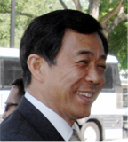
| Bo Xilai (Wiki Info) |
By Minxin Pei
The open ambitions of rising political star Bo Xilai were partly responsible for his fall. But the frustrations that fueled his popularity could come back to haunt the Party.
The fall of Bo Xilai, until recently the Communist Party chief of Chongqing and a leading contender for a seat on the party’s next Politburo Standing Committee, may have shocked many, but it shouldn’t. The writing was already on the wall a month ago when Bo’s right-hand man, Chongqing’s police chief, apparently sought political asylum in the American consulate in Chengdu (and presumably gave the Americans invaluable information on a wide range of sensitive subjects). Although Bo himself kept a brave face and went about his business as usual, his political rivals were already busy plotting the least disruptive way of easing him out of power.
In retrospect, Bo’s sudden political demise may seem inevitable. But the reason most often cited for his fall – his leftist-leaning Maoist revival ideological campaign – was probably only a secondary cause. To be sure, Bo’s “singing red and striking black” campaign recalled the worst aspects of the dreaded Maoist rule – leftist populism, personality cult, and political terror. Yet, for a few years, nobody lifted a finger to stop him. On the contrary, most sitting members of the Politburo Standing Committee visited Chongqing to endorse the so-called “Chongqing Model,” boosting Bo’s political stock.
What finally did Bo in was a combination of two factors, one political and the other accidental.
Read the full story at The Diplomat